 Veen, Netherlands

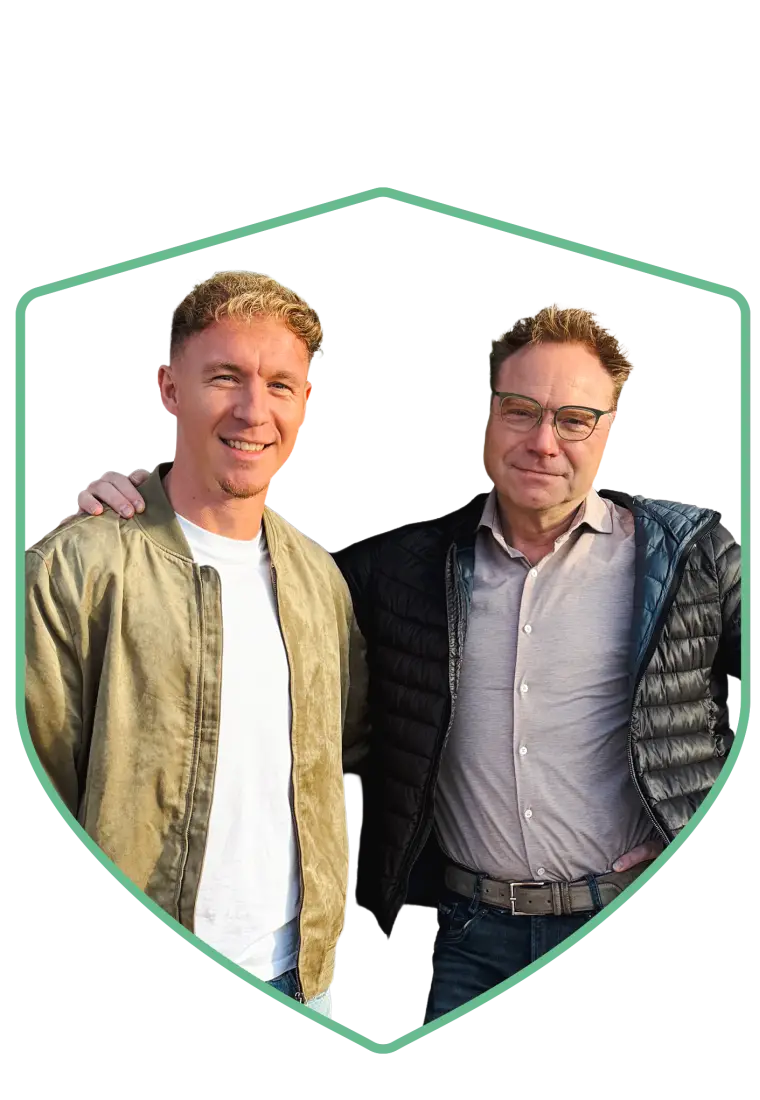
Arjan Wensink was not on duty that afternoon. He was a father watching a match, standing with the other parents behind the barrier. But the training and experience that come with years of general practice do not switch off at weekends. When Nikki collapsed, Arjan understood the situation before he had time to consider it. That rapid recognition, and the ability to act on it without hesitating, is what determined the shape of the next few minutes. He did not just respond to the emergency. He organised it, managed the people around him, and kept the response moving in the right direction. The composure he brought to the pitch that day was not luck. It was years of practice.
The cup final between Achilles Veen and Goes had drawn around 2,500 spectators to Oisterwijk on May 9. For Arjan Wensink, it was a day he had been looking forward to: a proud father on the sidelines, watching his son compete in one of the most important matches of the season. It was Arjan’s wife who first noticed something was wrong. Nikki Baggerman was moving across the pitch without the ball when he stumbled and then dropped, lying motionless on the grass. The crowd noise carried on for a moment before people around them began to realise what had happened. By then, Arjan was already over the barrier.
Arjan Wensink is a GP. In a ground with 2,500 spectators, that background made a difference. He jumped the barrier before the panic had fully formed, landed on the pitch, and moved to Nikki without hesitation. Around him, people were struggling to process what they were seeing. Arjan was not. He organised the response, directed the people nearest to him, and started CPR. Players from both teams formed a circle to keep the crowd back while others retrieved the AED from the venue and brought it onto the pitch. Together they connected it and continued resuscitation. When the AED delivered its first shock, Nikki slowly regained consciousness. The ambulance arrived shortly afterwards and took him to hospital in a stable condition.